Featured
Table of Contents
Financial obligation consolidation is the process of integrating numerous financial obligations into a single loan with one month-to-month payment. If you're managing charge card balances, medical expenses, individual loans, or other financial obligations in 2026, combination can simplify your monetary life. The objective is simple: minimize monetary tension, possibly conserve money on interest, and create a clear path to becoming debt-free.
1 Understand the essentials of combining numerous financial obligations into a single loan with one monthly payment. 2 Discover how financial obligation combination can decrease your rate of interest, streamline payments, and potentially improve your credit rating. 3 Learn which debts are excellent prospects for consolidation and which ones to approach with caution.
Rather of juggling several credit card costs, medical payments, and other responsibilities monthly, you make a single payment to one loan provider. This technique streamlines your financial resources and can minimize the overall interest you pay with time. Many Iowa families use financial obligation consolidation to restore control of their finances. When you have credit card balances with rate of interest above 20%, combining those debts into an individual loan with a lower rate can save hundreds or perhaps countless dollars annually.
Handling payment due dates, interest rates, and minimum payments across several accounts creates stress and increases the danger of missed payments. by providing you one predictable month-to-month payment with a clear reward date. When you work with a regional lender like FSB, you get individualized assistance on whether debt consolidation makes good sense for your circumstance.
Advantages of Certified Debt Counseling in 2026
You then utilize this loan to pay off your credit cards, medical bills, or other obligations. Your brand-new loan normally comes with a set interest rate and set payment term, frequently in between 2 and seven years.
You know precisely when your final payment will be and just how much you will pay monthly. 1 Build up all balances you wish to consolidate, consisting of interest rates and monthly payments. 2 Your rating figures out the rate of interest you get approved for. Greater scores suggest much better rates. 3 Submit your application with evidence of income and financial obligation info.
5 Concentrate on one foreseeable payment up until your debt is entirely settled. Applying for a debt combination loan includes examining your current financial obligations, inspecting your credit rating, and determining just how much you need to borrow. Lenders examine your income, existing financial obligation responsibilities, and credit history to determine your rate of interest and loan terms.
Having a relationship with a community bank implies you get personal service rather than automated decisions. Before applying, gather your newest declarations for all financial obligations you wish to combine. Having precise balances and rate of interest speeds up the application procedure and helps you get precise loan quotes. Once authorized, you get funds to settle your existing financial obligations.
, you close those accounts or keep them open with no balances, depending upon your credit strategy. Your focus shifts to making your single month-to-month payment on time. This consistency can really improve your credit score with time, specifically if your previous debt load was triggering high credit utilization. of financial obligation consolidation.
Best Paths to Eliminate Debt in 2026
This difference can equate to substantial savings over the life of your loan. You stop determining whether you can pay for minimum payments across several accounts.
, making consistency vital for building or preserving great credit. Financial obligation combination produces a basic system you can adhere to month after month. You also gain the advantage of a set payment quantity. Unlike charge card with variable minimum payments, your debt consolidation loan payment remains the same throughout the payment duration.
Benefits of Professional Financial Counseling Programs in 2026Paying off credit cards lowers your credit usage ratio, which accounts for 30% of your score. Keeping those cards open after reward maintains your readily available credit, more enhancing this ratio.
Payment History (35%) Positive Effect Credit Utilization (30%) Positive Impact Credit Rating Length (15%) Neutral Effect Charge card without a structured payment plan can take years to settle if you only make minimum payments. You know that in three years, or 5 years, or whatever term you choose, you will be debt-free if you stick to the payment schedule.
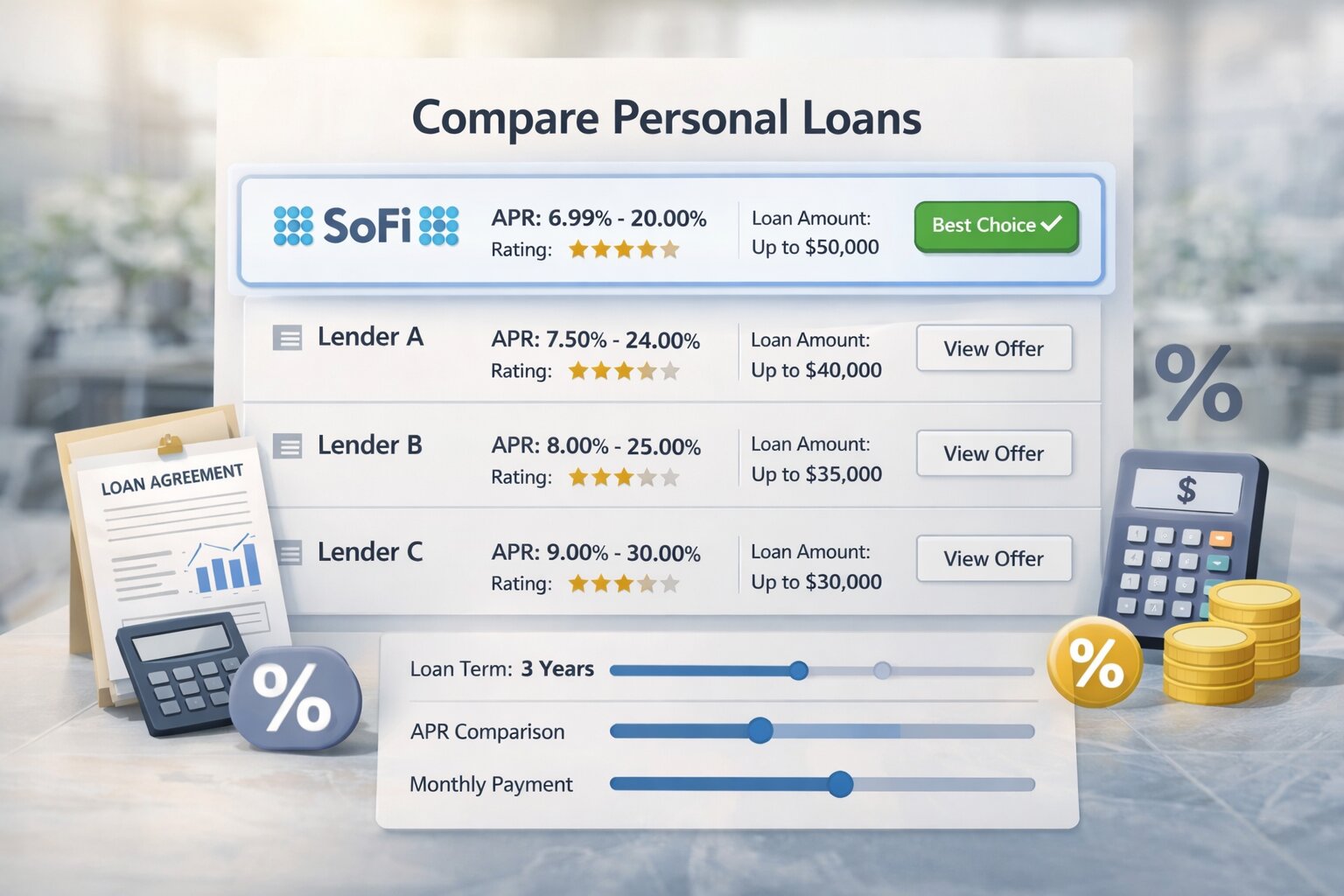
These include credit card balances, medical costs, personal loans, and some types of store funding. The key factor is that these financial obligations are not connected to collateral like a home or vehicle. Consolidating high-interest charge card financial obligation makes one of the most sense financially. If you bring balances on multiple cards, specifically those with rates above 15%, consolidation can provide immediate relief through lower interest charges.
Essential 2026 Planning Calculators for Borrowers
Their high interest rates and revolving nature make them pricey to carry long-term., you transform a revolving balance into a structured payment strategy with a lower rate. After debt consolidation, you can keep your charge card open for emergencies or small purchases you settle regular monthly. The secret is avoiding adding balances once again after combination.
Medical bills typically bring no interest at first but can go to collections if overdue, harmful your credit. Consolidating medical financial obligation into an individual loan safeguards your credit and supplies a workable payment strategy. Some medical companies offer payment plans, however these may still impact your credit usage if reported to credit bureaus.
If you have existing personal loans or high-interest payday loans, combining them can minimize your total interest problem. Payday advance in particular bring exceptionally high reliable rates of interest. can save you substantial cash and break the cycle of renewing short-term, high-cost financial obligation. Federal student loans must not be consolidated through a personal loan.
Leveraging Loan Estimation Tools for 2026
Keep federal trainee loans different from your financial obligation consolidation strategy. Federal trainee loans must not be consolidated through an individual loan. These loans use special benefits like income-driven repayment strategies and possible forgiveness programs. Similarly, guaranteed financial obligations like mortgages and automobile loans typically ought to not be combined with unsecured financial obligation, as this can put your security at risk.
The right technique depends on your credit score, the amount of financial obligation you bring, and whether you own a home. Best for most situations Repaired rates and terms Foreseeable month-to-month payments No collateral required Clear benefit timeline Best for short-term financial obligation 0% intro APR durations Balance transfer costs apply Needs great credit Should settle before promo ends Best for house owners with equity Most affordable rates of interest Home serves as security Tax benefits might apply Danger of foreclosure if unsettled Personal loans from banks or cooperative credit union offer repaired rates and terms, making them foreseeable and straightforward.
This approach works well for those with excellent to exceptional credit who desire a basic solution. Some credit cards provide advertising periods with 0% interest on balance transfers.

Latest Posts
Proven Paths to Eliminate Debt in 2026
Is Consolidation Best for You in 2026?
Advantages of Certified Credit Programs in 2026